
Casino Game Diaries: My First Online Roulette Spin
June 9, 2025
How to Play Online Roulette in India: Rules, Live Tables & Beginner Tips
A roulette wheel spins about once every 25 seconds at a busy live table, and in that short window, thousands of rupees change hands across India every single night. That number alone explains why so many people are curious about online roulette but hesitate to actually place a bet.
This blog walks through the real basics. Not the theory-heavy stuff you find scattered across forums, but what actually happens the first time you sit at a table, either the animated kind or a live one streaming from a real studio.
By the end you will understand table types, basic betting moves, how live tables differ from digital ones, and a few habits that keep the whole thing fun instead of stressful.
What Roulette Actually Involves
Roulette looks simple on the surface. A wheel with numbered pockets, a ball, and your job is to guess where it lands. Underneath, there's more nuance, mostly around which wheel you're playing.
European wheels have 37 pockets, numbers 1 to 36 plus a single zero. American wheels add a second zero, 38 pockets total. That one extra slot doesn't sound like much, but it nearly doubles the house edge, from roughly 2.7% to 5.26%. If a platform gives you the choice, European almost always wins on paper.
French roulette takes the European layout and adds rules like La Partage, which returns half your stake on certain losing spins. Small mercy, but it adds up over a longer session.
Live Tables vs Digital Wheels
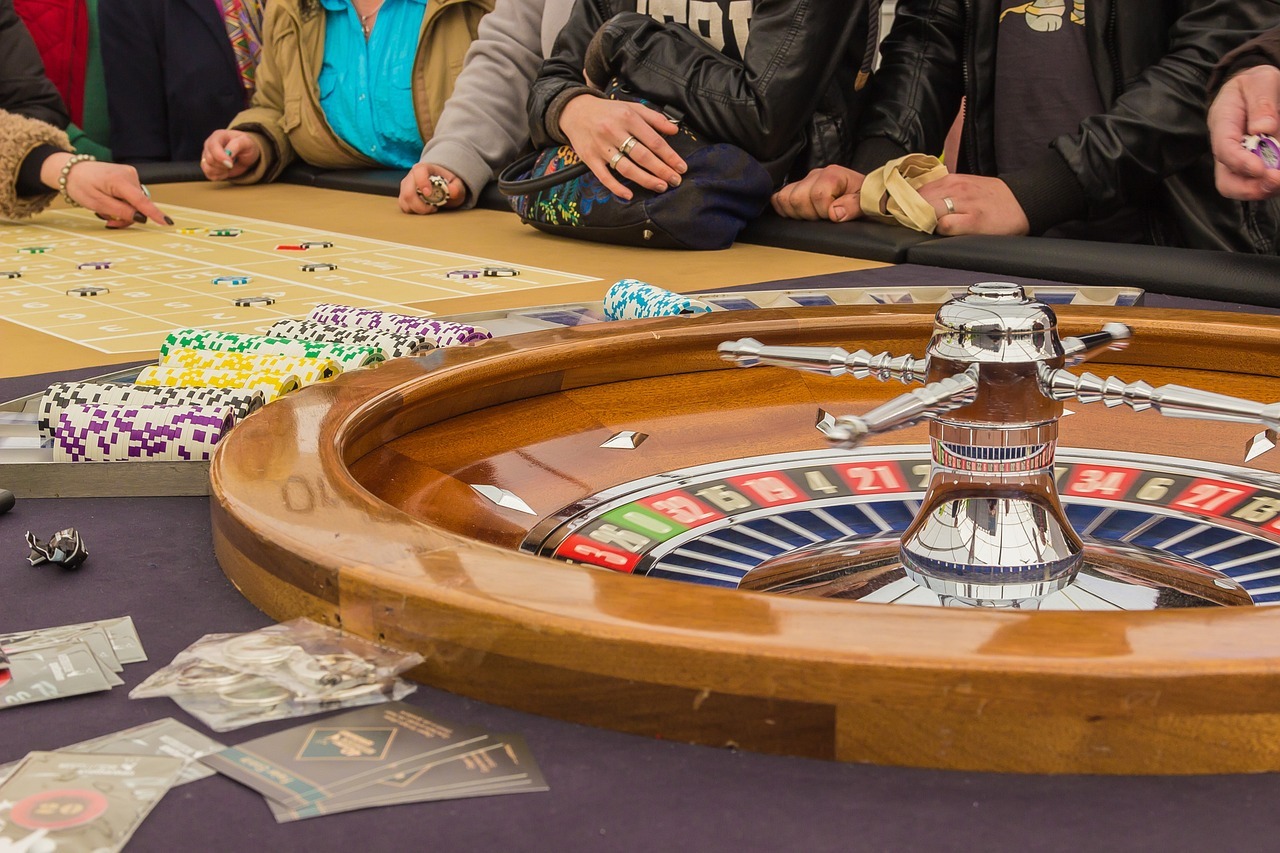
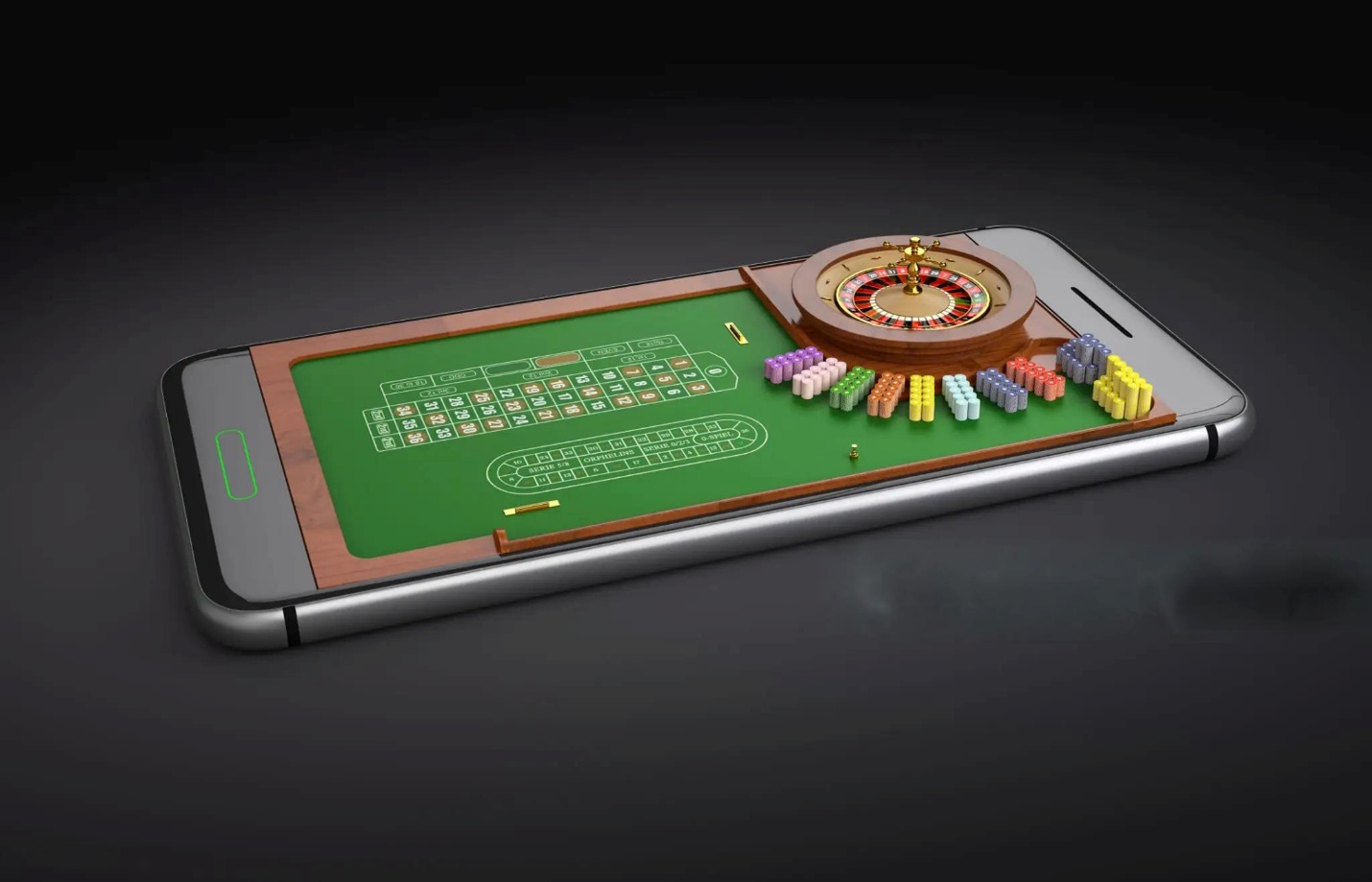
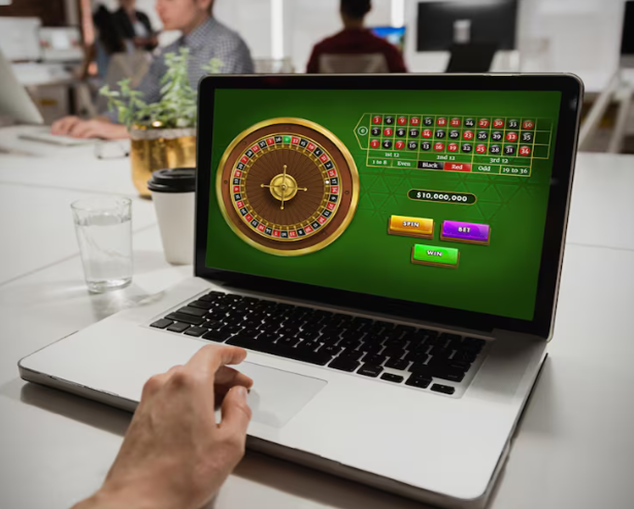
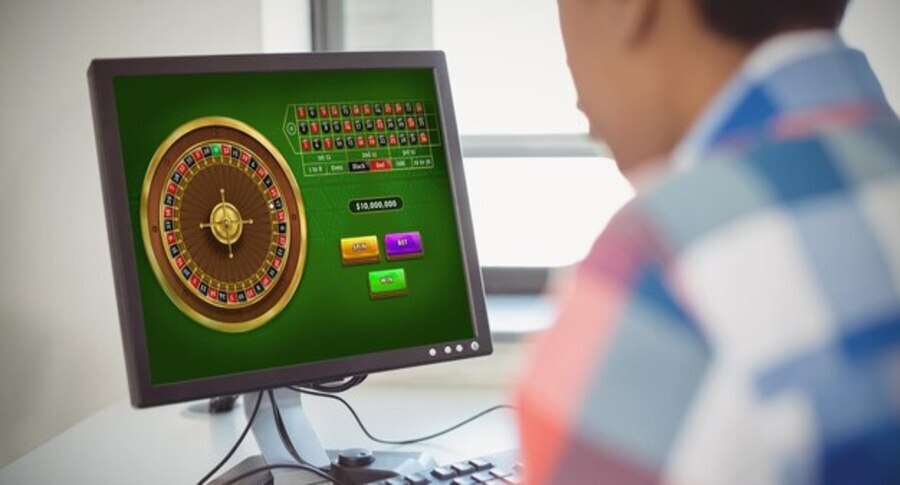
Here's where new players usually get confused. Two very different experiences hide under the same name. RNG roulette is fully digital. A random number generator decides the outcome instantly. Fast, private, and a genuinely decent way to learn the layout without pressure.
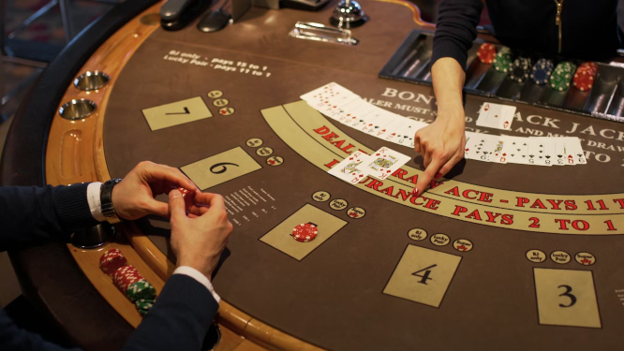
Live roulette India tables work differently. A real dealer spins an actual wheel, usually from a studio, and you bet through your screen in real time. It feels closer to sitting in a physical casino, and quite a few Indian platforms now run Hindi-speaking dealers for exactly this reason. That detail matters more than people expect. Watching a spin in your own language changes how relaxed you feel at the table, even during a losing run.
How A Round Actually Plays Out
Every round follows roughly the same rhythm once you've seen it once.
- Pick a trustworthy platform that accepts INR and supports UPI or Paytm.
- Choose your table, European for lower risk, live if you want the studio feel.
- Place your bet before the dealer calls "no more bets."
- Watch the spin and collect your payout instantly if you're right.
That's genuinely most of it. Where people get lost is in the betting terminology, not the gameplay itself.
Reading The Betting Table
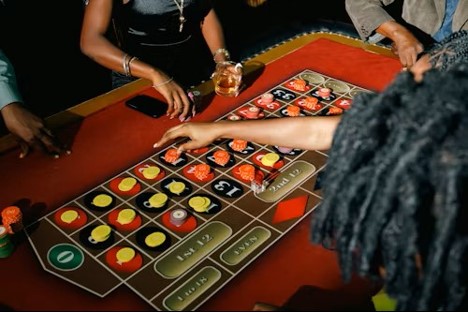
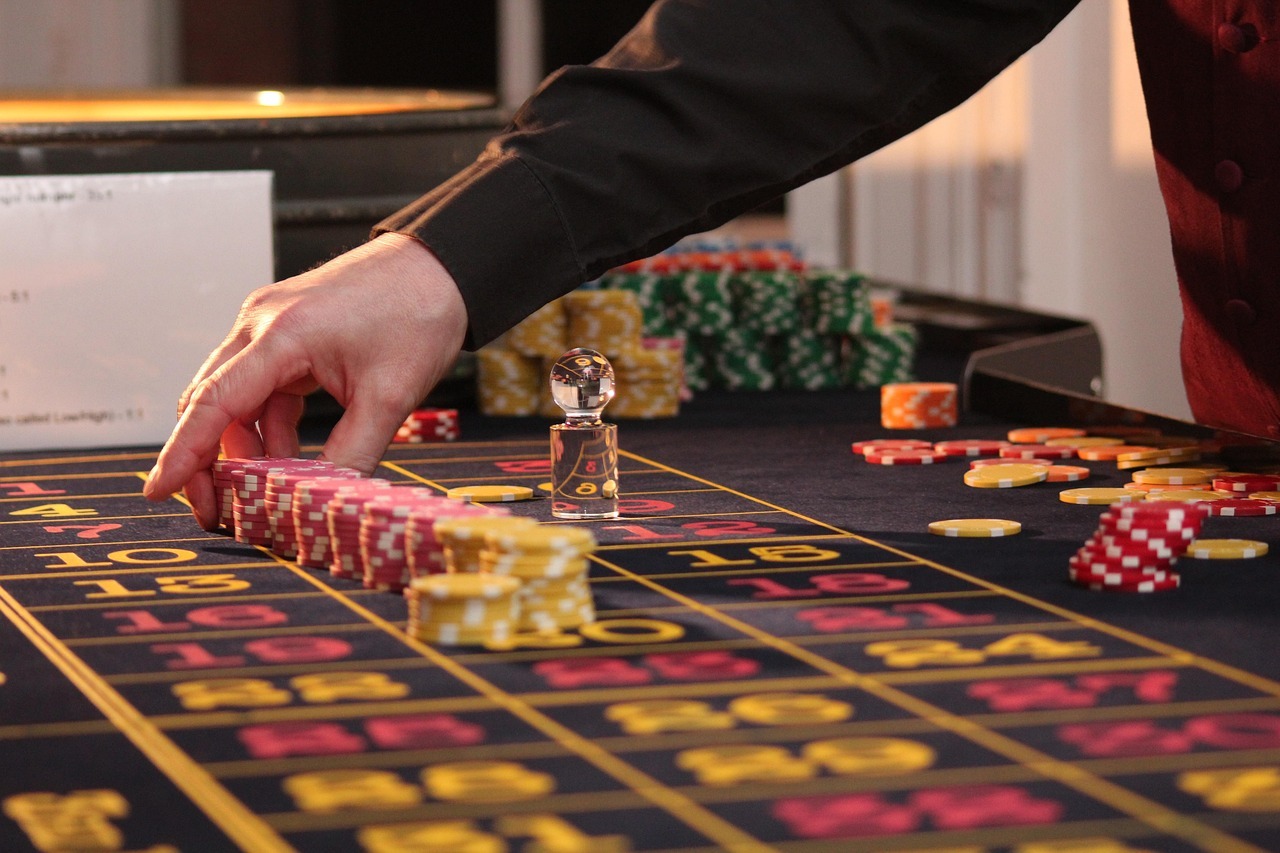
Bets split into two families. Inside bets sit directly on numbers; outside bets cover broader groups. A straight bet on one number pays 35 to 1 but hits rarely. A split, covering two adjacent numbers, pays 17 to 1. Outside bets like red or black, odd or even, pay even money but land far more often. Beginners usually feel steadier starting outside, then mixing in a few inside bets once the layout stops looking like a maze.
Betting Systems Worth Knowing
Ask anyone who's spent real time at a table, and they'll mention at least one system. Martingale comes up constantly, doubling your bet after every loss, so one-win recovers everything. Works fine until a losing streak runs longer than your bankroll can absorb, and it always eventually does.
Fibonacci is gentler, following the classic sequence instead of straight doubling. D'Alembert nudges your bet up or down by one unit depending on the result, keeping swings smaller.
None of these changes the actual odds. The wheel doesn't remember your last ten spins, and no sequence forces a win. What these systems really manage is discipline, not outcomes. Worth knowing, not worth trusting unquestioningly.
Beginner Habits That Actually Help
A few things separate players who enjoy the game long-term from those who play roulette online and burn out fast.
Setting a session budget before sitting down matters more than any betting system ever will. Something small, maybe 500 to 1000 rupees to start, just enough to get comfortable with a table's rhythm.
Trying free or demo tables first is underrated, too. Most platforms offer them, and there's no real reason to risk money before understanding pacing, especially at a table where the dealer moves at their own speed, not yours.
Stopping when you're ahead sounds obvious, but very few people actually do it. The house edge is permanent and quiet, working in the background no matter how good a streak feels in the moment.
Checking licensing before depositing anywhere isn't optional. Curacao, Malta Gaming Authority, or UKGC-licensed platforms get audited regularly, and that's about the closest thing to a safety net this space has.
Why India's Roulette Scene Keeps Growing
Digital payments changed everything here. UPI made deposits instant, and platforms noticed fast. A growing share of live roulette India now runs in Hindi, with regional options expanding for Tamil, Bengali, and Telugu speakers too. That kind of localization barely existed five years ago, and it's a big reason interest keeps climbing in smaller cities, not just the usual metros.
None of these changes the fundamental nature of the game, though. It stays a game of chance first, and treating it as anything closer to income is usually where things go sideways.
Conclusion
Patience matters more than strategy here. Know your wheel type, understand your bets, keep a budget, and treat every spin as entertainment rather than a plan. A quick digital wheel and a studio table with a real dealer are both fine starting points; it really just depends on the kind of experience you are after.
Online Roulette exists to help players across India make sense of exactly this, from the basic rules to figuring out which tables actually fit their pace and budget.
FAQs
Is this legal to try in India?There's no single nationwide law banning it, though a few states like Telangana and Andhra Pradesh restrict it. Most Indian players use licensed offshore platforms that accept INR deposits.
What's the real difference between a studio table with a dealer and a fully digital one?A studio table streams a real dealer spinning an actual wheel, while the digital version runs on a random number generator. The studio format feels more social but moves slightly slower.
How much money do I actually need to get started?Some platforms allow bets as low as 10 to 20 rupees, so a large bankroll isn't necessary. A small session budget of 500 to 1000 rupees is usually enough to get a proper feel for it.
Can betting systems guarantee a win?No system changes the actual odds or the house edge. Systems like Martingale or Fibonacci help manage your bankroll, but every spin stays independent and random.